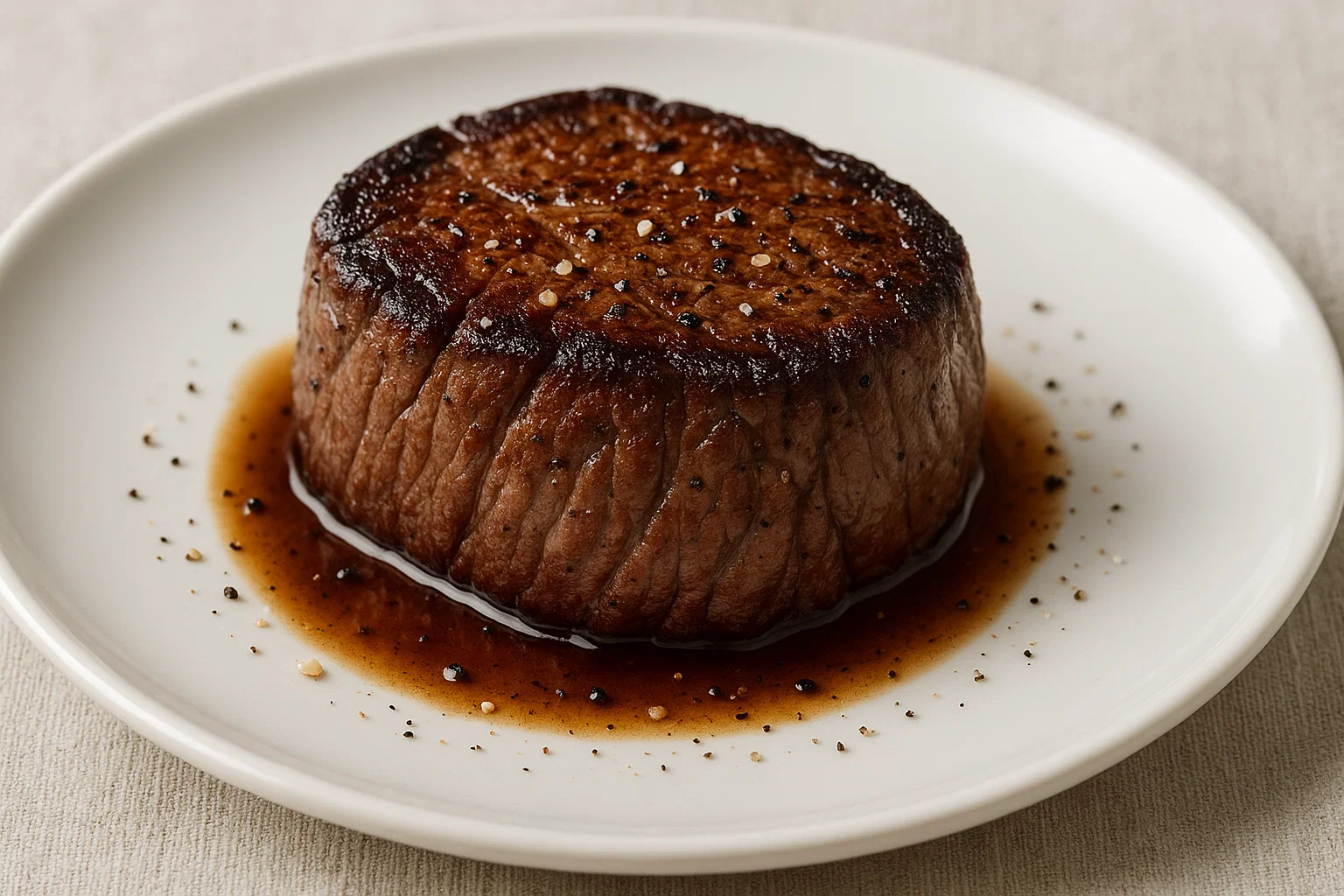
I still cringe when I think about the first time I spent forty bucks on a single piece of meat. I was twenty-three, dead set on impressing a new girlfriend, and I had absolutely no clue what I was doing. I bought this gorgeous, thick filet mignon, marched it home, and managed to turn it into a gray, rubbery hockey puck that tasted faintly of lighter fluid.
We chewed in silence. It was brutal. We broke up two weeks later, and while I can’t blame the steak entirely, it definitely didn’t help my case.
That disaster stuck with me. It forced me to learn actual technique rather than just guessing. After years of ruining dinner (and eventually finding a wife who tolerates my experiments), I finally nailed it. If you’re asking yourself, “What is The Best Way to Cook Filet Mignon,” stop looking at your gas grill. Forget the sous vide machine for a minute. The answer is a beat-up cast-iron skillet, a stick of good butter, and enough patience to let the meat do the work.
You don’t need a culinary degree. You just need to respect the heat.
More in Beef & Red Meat Category
What is The Best Way to Cook a Rib Roast
What is The Best Way to Cook London Broil
Key Takeaways
- Ditch the Non-Stick: You need heavy cast iron or stainless steel to get that dark, crusty sear.
- Moisture is the Enemy: Wet meat steams; dry meat sears. Pat that steak bone-dry.
- Butter is Mandatory: Filet is lean, so you must introduce fat by basting with butter, garlic, and herbs.
- Trust the Thermometer: Cooking by “minutes per side” is a lie. Cook to temperature.
- Let it Sleep: Cutting into a hot steak ruins it. Let it rest for 10 minutes to lock in the juice.
Why Should You Choose the Pan Over the Grill?
Look, I love standing over charcoal with a beer as much as the next guy. But grilling a filet is usually a mistake. We’re talking about a muscle that barely does any work. It’s tender as hell, but it has almost no fat. It lacks that heavy marbling you see in a ribeye.
Throw a filet on the grill, and you risk drying it out before it even builds a crust. The fat drips away, and the flavor goes with it.
Pan searing flips the script. You keep the steak in the pan, cooking it in its own juices. You create a tiny, controlled world where you can introduce aromatics like smashed garlic and fresh thyme. Plus, you get to baste. Spooning hot, foaming butter over the meat as it finishes adds a richness that fire simply can’t provide. You want a continuous, golden-brown crust, not just a few black grill marks.
Does the Quality of the Beef Really Matter?
I used to be the guy who said, “Beef is beef, it’s all the same.” I was an idiot.
I walked into a serious butcher shop in Chicago a few years back, pointing confidently at a standard Choice cut. The butcher—a guy named Al who looked like he ate nails for breakfast—just shook his head. “For chili? Fine. For a filet? No way. You want the Prime, or the top end of Choice.”
He wasn’t trying to upsell me. He was right. Filet mignon relies entirely on texture.
USDA Prime beef has heavy marbling—those tiny flecks of white fat scattered inside the red muscle. Even though filet is lean, Prime cuts have enough intramuscular fat to render down and baste the meat from the inside out. If you can swing the cash, get Prime. If not, hunt for the most marbled piece of Choice in the case. Stay away from “Select” grades. No amount of butter can fix that dry, mealy texture.
How Do You Prep the Steak Without Ruining It?
The work starts way before you turn on the burner.
I tried cooking a steak straight from the fridge once because I was in a rush. I thought I was being efficient. Instead, I ended up with a piece of meat that was burnt black on the outside and ice-cold in the middle.
Why Must You Kill the Chill?
You can’t cook cold meat evenly. It’s physics. If the center of your filet is sitting at 38 degrees, the exterior will incinerate before the middle even hits rare.
Pull the steak out of the fridge at least 45 minutes before you cook. Leave it on the counter. Let it come up to room temp. This allows the heat to travel through the meat evenly. It’s a small step, but it separates the pros from the guys eating burnt steak.
Why is Water the Enemy?
Water destroys a sear.
If your steak is wet, the pan has to boil off that water before it can start browning the meat. That creates steam. Steaming your steak turns it gray and sad.
Grab a handful of paper towels and pat every inch of that meat bone-dry. I mean dry. The towel should come away clean. Once it’s dry, hit it hard with seasoning. I use coarse Kosher salt and cracked black pepper. Skip the table salt; it dissolves too fast and just makes the meat taste salty rather than seasoned.
What Gear Do You Actually Need?
You don’t need a thousand-dollar set of cookware. You need one heavy pan.
I swear by my 12-inch cast-iron skillet. It’s heavy, ugly, and holds heat like a furnace. When you drop a steak into a flimsy aluminum pan, the temperature nose-dives. The searing stops. Cast iron laughs at the cold steak. It stays hot, forcing that Maillard reaction—the browning process—to start instantly.
If you don’t have cast iron, a heavy stainless steel pan works too. Just please, avoid non-stick pans. You can’t get them hot enough safely, and they never give you that crunch you want.
Which Oil Handle the Heat?
Put the fancy olive oil back in the cupboard. I learned this lesson when I set off every smoke alarm in my apartment building trying to sear with extra virgin. My neighbors hated me, and the steak tasted like burnt rubber.
You need an oil that can take a beating.
- Avocado Oil: My go-to. It handles 500°F+ without breaking a sweat.
- Grapeseed Oil: Neutral flavor, high heat tolerance. Solid choice.
- Canola Oil: Cheap and gets the job done in a pinch.
You want the oil shimmering, just on the verge of smoking, before the meat touches the pan. If the oil isn’t hot enough, the meat sticks. If it burns, dinner is ruined.
The Cook: How Do You Nail the Sear?
Here we go. You’ve got a room-temp, dry, seasoned steak. Your skillet is screaming hot with a thin coat of oil.
Step 1: The Hard Sear
Lay the steak into the pan away from you so you don’t splash hot oil on your wrist. Listen. You want a violent hiss. If it sounds like a weak sizzle, pull it out; the pan isn’t ready.
Now, don’t touch it. I know you want to peek. Don’t. Let it ride for 2 to 3 minutes. You’re looking for a deep, mahogany crust. Not tan—dark brown. Flip it. Give the second side another 2 minutes. Don’t forget the sides, either. Use your tongs to sear the edges, rendering out any white fat caps.
Step 2: The Butter Bath
This is the fun part. Drop the heat to medium.
Toss in three tablespoons of unsalted butter. As it melts and starts foaming, throw in three smashed garlic cloves and a sprig of rosemary.
Tilt the pan so the hot butter pools at the bottom. Grab a big spoon and relentlessly scoop that foaming, garlic-infused gold over the steak. Chefs call this arroser. I call it flavor insurance. The butter cooks the steak gently while soaking into every crevice of the crust.
How Do You Know When It’s Done?
Do not cut into the steak. Seriously. If you cut it open to check, you kill the steak. The juices run out, and you’re left with dry meat.
Also, ignore the “palm test.” You know, touching your thumb to your finger? It’s nonsense. My hand isn’t your hand. It’s guessing, and guessing ruins expensive meat.
Buy a digital instant-read thermometer. It’s the only way to be sure. Stick it in the thickest part of the steak.
- Rare: Pull at 120°F (Final temp 125°F)
- Medium-Rare: Pull at 130°F (Final temp 135°F)
- Medium: Pull at 140°F (Final temp 145°F)
- Well Done: Order the chicken. (Kidding, sort of. Pull at 160°F).
According to the USDA Food Safety and Inspection Service, you should cook beef to 145°F for safety, though most of us prefer the texture of medium-rare.
Remember, the temp keeps rising about 5 degrees after it leaves the pan. It’s called carryover cooking. Account for it, or you’ll overcook it every time.
Why is Resting Not Optional?
I cooked a perfect filet for my dad once. It looked incredible. I was so excited I slapped it on his plate, and he cut right into it. A river of red juice flooded the plate, soaking his potatoes. The steak itself? Dry as a bone.
When you heat meat, the muscle fibers tighten up and squeeze moisture to the center. If you slice it immediately, that moisture has nowhere to go but out.
Rest the meat on a board for 10 minutes. This lets the fibers relax. The juice redistributes. When you finally cut it, it’s pink and juicy from edge to edge. Tent it loosely with foil, but don’t wrap it tight or you’ll steam that crust you worked so hard for.
What About a Sauce?
Look at the pan. See those brown bits stuck to the bottom? That’s fond. It’s concentrated flavor. Washing that down the drain is a crime.
While the steak rests, make a quick pan sauce.
- Pour off the grease, keep the brown bits.
- Pan back on medium heat.
- Sauté a minced shallot until soft.
- Splash in half a cup of red wine. Scrape up the tasty bits with a wooden spoon.
- Reduce it by half.
- Whisk in a knob of cold butter at the end to make it silky.
Pour that over the steak, and you just went from “home cook” to “steakhouse” in five minutes.
What Should You Serve With It?
Filet is rich, especially with the butter baste. You want sides that can hang with that richness without getting lost.
- Garlic Mashed Potatoes: The classic. Don’t skimp on the cream.
- Roasted Asparagus: The bitterness cuts right through the beef fat.
- Sautéed Mushrooms: They share that earthy, savory vibe.
I keep it simple. Meat, potatoes, green veg. Let the beef be the star.
How Do You Screw This Up?
Even with a plan, things go sideways. Here’s how to avoid the common pitfalls.
Crowding the Pan
If you try to jam four steaks into one skillet, you lose. The pan temp crashes, moisture builds up, and you end up steaming your meat. Cook in batches. Give them room to breathe.
Fidgeting
Patience is hard. Once the steak hits the iron, leave it alone. If you keep checking the bottom, the crust never forms. If the meat sticks, it’s not ready. Wait. It will release when it’s good and ready.
Wimping Out on Heat
You can’t sear on low. You need energy to create flavor. Turn on the fan, open a window, and don’t be scared of a little smoke. It’s part of the process.
Final Thoughts
Cooking a killer filet mignon isn’t magic. It’s control. It’s understanding how heat hits protein and having the discipline to follow the steps.
I still think about that “hockey puck” I served that poor girl in my twenties. It reminds me that good food comes from experience, and experience usually comes from failure. But you don’t have to fail. You’ve got the playbook now.
Go see the butcher. Buy the good stuff. Get that pan ripping hot. And for the love of god, let it rest.
When you take that first bite—crunchy, salty crust giving way to a buttery, tender center—you’ll get it. You might even impress a date. Or better yet, just enjoy a damn good meal by yourself.
FAQs – What is The Best Way to Cook Filet Mignon
What is the recommended method for cooking filet mignon to achieve the best results?
The best way to cook filet mignon is using a heavy cast-iron skillet, good butter, and patience, rather than a grill or sous vide. Proper technique and respect for heat produce ideal results.
Why should I avoid using non-stick pans for searing filet mignon?
Non-stick pans cannot reach the high temperatures necessary for a proper sear and do not produce the desirable crust; heavy cast iron or stainless steel pans are preferred.
How important is the quality of beef when cooking filet mignon?**
The quality of beef is crucial because filet relies heavily on texture. USDA Prime or well-marbled Choice cuts provide enough intramuscular fat for flavor and juiciness, unlike lower grades.
What steps should I take to prepare the steak properly before cooking?**
You should bring the steak to room temperature by resting it outside the fridge for at least 45 minutes and pat it dry thoroughly to remove moisture, ensuring a good sear.
Why is resting the steak after cooking essential?**
Resting allows muscle fibers to relax and juice redistributes, preventing a dry, tough steak and ensuring it remains juicy and tender when sliced.