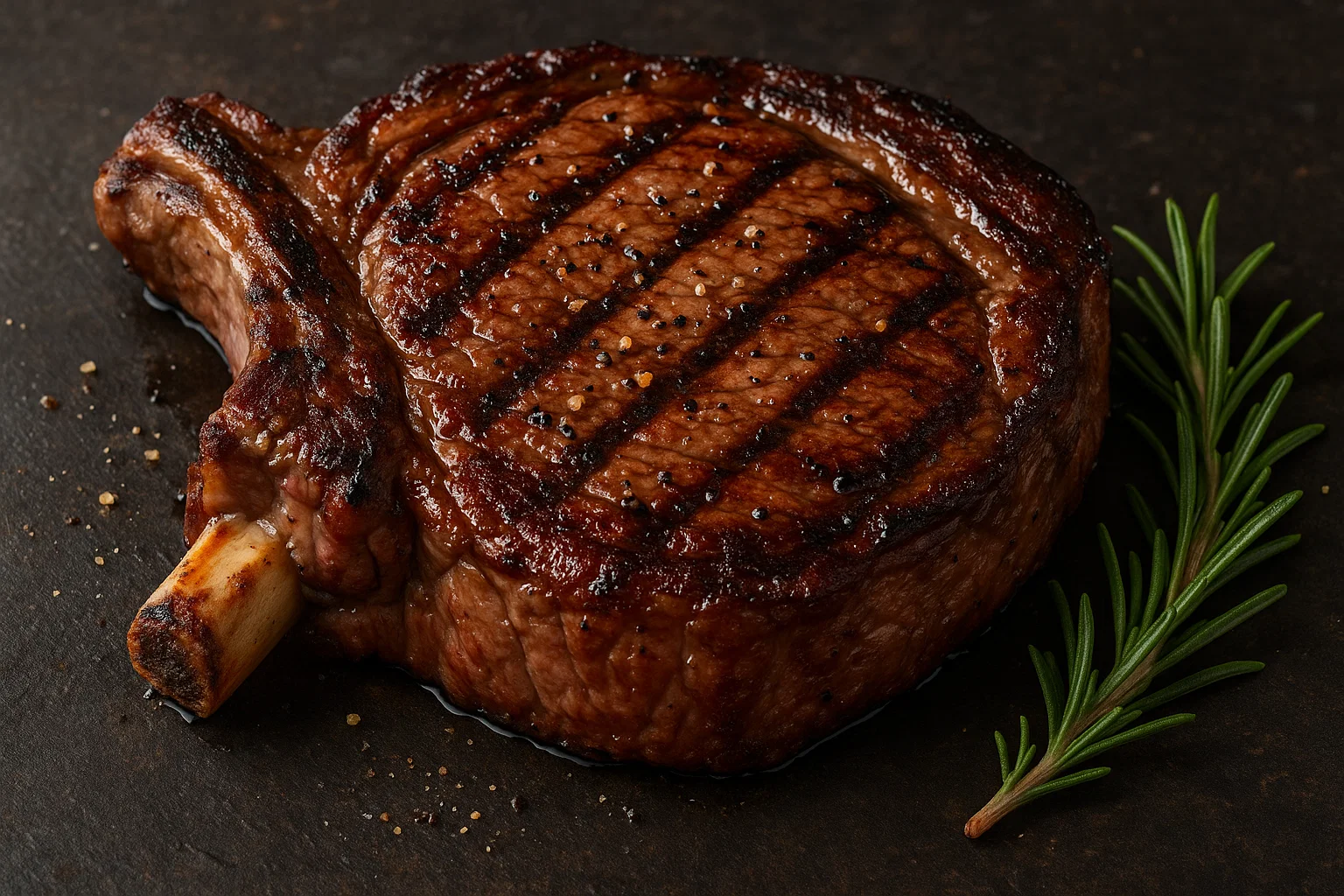
I still cringe when I think about the first time I tried to impress a date with my cooking skills. I was twenty-two, overconfident, and completely clueless. I bought two gorgeous, expensive ribeyes from the butcher, fired up a cheap charcoal grill in the backyard, and proceeded to absolutely massacre them. I’m talking charred black on the outside, ice-cold and raw in the middle. It was like chewing on a smoky tire. The date didn’t go much better than the dinner.
For a long time after that humiliation, I was convinced that restaurant-quality beef was some sort of alchemy. I thought chefs had access to secret equipment or magical cows that I didn’t. But I was wrong. I just didn’t understand the basic physics of heat, fat, and protein.
After years of obsessively reading cookbooks, burning my fingers, and eating enough mediocre beef to sink a battleship, I finally cracked the code. It turns out, the backyard grill isn’t actually the undisputed king of beef. If you want that dark, mahogany crust that crunches under your fork and an interior that is wall-to-wall pink, you don’t need charcoal. You need a heavy pan and a stovetop. Whenever friends ask me, “What is the best way to cook steak?” I don’t hesitate. I tell them to grab a cast-iron skillet and a stick of butter.
This isn’t just a recipe. This is a download of everything I’ve learned about respecting the animal and mastering the flame.
More in Beef & Red Meat Category
What is The Best Way to Cook a Rib Roast
What is The Best Way to Cook London Broil
Key Takeaways
- Ditch the Grill: A heavy cast-iron skillet offers superior contact and heat retention for that coveted crust.
- Moisture is the Enemy: If your meat is wet, it will steam. Dry it aggressively with paper towels before cooking.
- The “One Flip” Rule is a Myth: Flipping your steak every minute actually cooks it more evenly and builds a better crust.
- Thermometers Don’t Lie: Ignore the “touch test.” The only way to guarantee perfection is an instant-read thermometer.
- Butter is a Cooking Utensil: Basting with butter, garlic, and herbs at the end of the cook adds a layer of flavor oil can’t match.
Does the Cut of Meat You Buy Actually Matter?
You can’t polish a sneaker. That’s the hard truth about cooking meat. If you start with a low-quality, lean cut, no amount of butter or technique is going to turn it into a melt-in-your-mouth experience. I learned this lesson the hard way when I tried to save twenty bucks by buying “Select” grade sirloin for a dinner party. It was tough, flavorless, and embarrassing.
When you are standing at the meat counter, ignore the price tag for a second and look at the meat itself. You are hunting for marbling. Marbling is those beautiful white flecks of intramuscular fat scattered through the red meat. Do not confuse this with the hard, chewy gristle on the outside. Marbling is flavor. As the steak hits the heat, that fat renders down, essentially basting the meat from the inside out.
My absolute favorite cut is the Ribeye. It is the king of flavor. It has the most fat, which makes it incredibly forgiving. If you accidentally leave it in the pan for thirty seconds too long, the fat content keeps it juicy. It’s rich, beefy, and intense.
If I want something with a bit more “bite,” I go for the New York Strip. It has a tighter texture than the ribeye and usually features a nice cap of fat on one edge. It’s a steak-eater’s steak.
Notice I haven’t mentioned the Filet Mignon. Unpopular opinion: I rarely cook it. Sure, it’s tender—you can cut it with a spoon—but it’s boring. It lacks that deep, savory beef punch that I crave. If you are asking what is the best way to cook steak for pure flavor, skip the filet and grab a ribeye.
Why Should You Avoid Cooking a Cold Steak?
Patience is the hardest ingredient to find in the kitchen. I used to be the guy who would rip the package open and throw the meat directly from the fridge (38°F) into the pan. That is a recipe for disaster.
When the center of the meat is icy cold, it takes forever for the heat to penetrate. By the time the middle is medium-rare, the outside is gray, overcooked, and dry. We call this the “bullseye effect.”
Take the meat out of the fridge at least 45 minutes before you plan to cook. Put it on a plate on the counter. Walk away. Let it hang out. You want the internal temperature to rise closer to room temperature. This simple act ensures that the meat cooks evenly from edge to edge. It relaxes the muscle fibers. Think of it like stretching before a workout; you wouldn’t sprint on cold muscles, so don’t sear cold meat.
How Critical is Surface Moisture Control?
If you only remember one thing from this entire article, let it be this: Water is the enemy of the sear.
There is a chemical process called the Maillard reaction. It’s what turns browned food into delicious food. It happens at temperatures above 300°F. Water boils at 212°F. If your steak is wet, the energy of the pan has to be used to boil off that water before it can start browning the meat. You aren’t searing your dinner; you are steaming it. Steamed beef is gray and sad.
I am aggressive about this. I take a stack of paper towels and pat every square inch of the beef bone-dry. I press down. I check the edges. If the paper towel comes away damp, I grab a fresh one. You want the surface of the meat to feel tacky to the touch. The drier the meat, the faster the crust forms.
Is Salting Right Before Cooking a Huge Mistake?
The timing of salt is a battlefield in the culinary world. I have ruined good meat by salting it ten minutes before cooking. Here is the science: Salt draws moisture out of cells. If you salt a steak and wait ten minutes, beads of water will form on the surface. If you throw it in the pan then, you are breaking the moisture rule we just discussed.
You have two distinct paths here.
Path A: Salt it immediately before it hits the pan. I mean, salt it and throw it in within seconds. The moisture hasn’t had time to surface yet.
Path B (The Winner): Dry brining. I salt my steaks 45 minutes to an hour before cooking. Initially, the moisture rises to the surface. But because I wait, the salt dissolves into that moisture, creates a brine, and then the meat reabsorbs it. This seasons the steak deep inside, not just on the crust. It also denatures the proteins slightly, making the meat more tender. If you have the time, always dry brine.
Cast Iron or Stainless Steel: Which Pan Wins the Sear War?
I bought my first cast-iron skillet at a yard sale for five bucks. It was a rusted, pitted mess. I spent a weekend scrubbing and re-seasoning it, and now, it is the most valuable tool in my kitchen.
For searing meat, cast iron is undisputed royalty. It is dense. It holds a massive amount of heat energy. When you drop a cold, 16-ounce slab of beef into a pan, the temperature of the pan drops. If you are using a flimsy non-stick pan, the heat plummets, and you lose your sear. Cast iron doesn’t care. It stays hot. It laughs at the cold meat.
If you don’t have cast iron, a heavy-bottomed, tri-ply stainless steel pan is a solid runner-up. It heats evenly and allows you to see the “fond” (those brown bits on the bottom) clearly. But please, for the love of food, do not use a non-stick Teflon pan. You can’t get them hot enough safely, and you will never get the crust you deserve.
What Kind of Oil Stops Your Kitchen from Filling with Smoke?
My wife almost banned me from cooking steak indoors because I kept setting off the smoke detector. I was using Extra Virgin Olive Oil. That was a rookie move.
EVOO has a low smoke point, around 325°F. To sear a steak properly, we need temperatures north of 400°F. When you push olive oil past its limit, it burns. It tastes bitter and acrid, and it fills your house with blue smoke.
I switched to Avocado Oil, and it changed the game. It has a smoke point of 520°F. It is neutral, meaning it doesn’t add flavor; it just facilitates the heat transfer. Refined grapeseed oil or canola oil are also acceptable. Save the expensive olive oil for a salad dressing or to drizzle over the meat after it’s cooked.
How Hot Should the Pan Be Before the Meat Hits It?
You need to summon your courage here. Most home cooks are afraid of high heat. They turn the dial to “medium” and hope for the best. Medium gets you a gray steak.
Place your cast-iron skillet on the burner and crank it to high. Let it sit there. Don’t touch it. I usually wait five full minutes. You might see wisps of smoke rising from the dry iron. That is good. That means we are ready for business.
I add the oil right before the meat. If you put the oil in a cold pan and let it heat up for five minutes, the oil will break down. Pour in two tablespoons of avocado oil and swirl it to coat the bottom. It should shimmer and ripple like water.
Lay the steak into the pan away from you. This is a safety tip. If you drop it toward you, hot oil splashes on your stomach. Drop it away, and the oil splashes on the backsplash. The sound should be an aggressive, violent hiss. If it sounds like a gentle rain, take the meat out. The pan isn’t ready.
Should You Flip the Steak Once or Multiple Times?
I grew up with my dad yelling at the grill, “Don’t touch it! Flip it once!” It was the golden rule of masculinity. You flip it once, and you don’t mess with it.
Sorry, Dad, but you were wrong.
Modern food science suggests that flipping your steak frequently—every 30 to 60 seconds—produces a superior result. Think about a rotisserie chicken. It cooks evenly because it is constantly rotating. By flipping the steak often, you are preventing one side from absorbing too much intense heat at once. You eliminate that thick gray band of overcooked meat just beneath the crust.
Plus, frequent flipping allows the surface moisture to evaporate faster, which actually builds a better crust. I flip constantly now. It feels active. It feels like I’m actually cooking, not just waiting.
How Does Butter Basting Transform a Good Steak into a Great One?
This is the secret weapon. This is the difference between “good” and “restaurant quality.” It’s a French technique called arrosé.
When the steak is about 20 degrees away from being done, I drop the heat to medium-high and toss in three tablespoons of high-quality unsalted butter. I add three cloves of garlic that I’ve smashed with the side of my knife, and a handful of fresh thyme or rosemary sprigs.
The butter melts and starts to foam. This foaming is crucial—it means the water is cooking out and the milk solids are toasting. It smells nutty and incredible.
I tilt the pan slightly so the hot, herb-infused butter pools at the bottom. I take a large spoon and rhythmically scoop that liquid gold over the steak. Scoop, pour, sizzle. Scoop, pour, sizzle. You are frying the top of the steak in hot butter while the bottom sears. You are driving garlic and herb flavors deep into the crevices of the crust. It is a sensory experience that makes you feel like a pro chef.
Can You Trust the ‘Finger Test’ for Doneness?
You’ve probably seen the chart. “Touch your thumb to your pinky, poke your palm, that feels like well-done.”
This is absolute garbage advice. Everyone’s hands are different. My hands are rough and calloused; my wife’s hands are soft. Relying on the squishiness of your palm to gauge the internal temperature of a ribeye is like trying to tell time by looking at the sun. You might be close, but you’ll probably be late.
I refused to buy a digital thermometer for years because I thought it wasn’t “manly.” I thought I should just know. That stubbornness cost me hundreds of dollars in ruined meat.
Do yourself a favor and buy an instant-read digital thermometer. It takes away the anxiety. You poke the meat in the thickest part, and you know exactly what is happening inside. It is the only way to be consistent.
What is the Magic Temperature for Medium-Rare?
Here is where most people fumble at the one-yard line. They cook the steak until the thermometer hits 135°F (medium-rare), and then they take it off. By the time they eat it, it’s medium-well.
Why? Carryover cooking.
The steak is a battery of heat. When you pull it from the pan, that heat doesn’t just disappear. It continues to travel inward. The internal temperature of a steak will rise about 5 to 7 degrees after you take it off the heat.
If your target is a perfect, warm red center (130°F – 135°F), you need to pull that steak out of the pan when it hits 125°F.
Here is my cheat sheet for when to pull the meat:
- Rare: Pull at 120°F.
- Medium-Rare: Pull at 125°F.
- Medium: Pull at 135°F.
- Medium-Well: Pull at 145°F.
- Well Done: Please don’t do this. But if you must, pull at 155°F.
Why is Resting the Meat Non-Negotiable?
I know the struggle. You have just spent 15 minutes creating a masterpiece. It smells like roasted garlic and beef fat. You are hungry. You want to cut into it right now.
Stop. Put the knife down.
When muscle fibers cook, they contract and squeeze tight. This pushes all the flavorful juices into the center of the steak. If you cut it immediately, that pressure has nowhere to go but out. The juices will pour out onto your cutting board, leaving you with dry meat.
Resting the meat allows those fibers to relax and re-expand. The juices redistribute throughout the entire steak. I rest my steaks for at least 8 to 10 minutes. I usually put them on a warm plate and tent them loosely with foil. Don’t wrap them tight or you’ll steam the crust soft. Use that ten minutes to pour a glass of wine or finish your salad. It is worth the wait.
Can You Add Flavor After the Cook?
While the meat is resting, look at your pan. That isn’t a mess; that is liquid flavor.
I hate wasting flavor. I often pour out the excess grease, leaving those browned bits (the fond) in the pan. I put it back on the heat and splash in a little red wine or beef stock. I scrape the bottom with a wooden spoon. Let it bubble and reduce until it’s thick. Then, I whisk in a cold knob of butter.
Pour that sauce over your sliced steak, and you have elevated a Tuesday night dinner into an anniversary meal.
Alternatively, make a compound butter ahead of time. Mix soft butter with blue cheese, parsley, and black pepper. Place a slice of that on the hot steak while it rests. It melts into a rich, creamy sauce that mingles with the beef juices.
How Do You Slice the Steak for Maximum Tenderness?
There is actually a geometry to eating steak. You want to shorten the muscle fibers as much as possible so your teeth have less work to do.
Identify the “grain” of the meat—the direction the muscle fibers run. You want to slice perpendicular to that grain. This is critical for tougher cuts like flank or skirt steak, but it makes a huge difference even with a strip or ribeye. Use a sharp knife and slice confidently. Don’t saw back and forth like you’re cutting down a tree; you’ll tear the crust. One smooth stroke.
What Sides Pair Best with a Rich Pan-Seared Steak?
A pan-seared ribeye is heavy. It’s fatty, salty, and rich. To balance the meal, you need acidity and crunch.
I steer clear of heavy mac and cheese or loaded baked potatoes unless I plan on sleeping for twelve hours immediately after dinner. Instead, I like grilled asparagus with a squeeze of lemon juice. The acid cuts through the fat. A sharp arugula salad with a vinaigrette is also perfect. The peppery bite of the greens cleanses the palate between bites of beef.
If I do potatoes, I do smashed baby potatoes roasted until they are incredibly crispy. Texture is everything.
Troubleshooting: Why Is My Crust Not Brown?
If you pull your steak off and it looks pale and gray, you failed at one of two things:
- Moisture: You didn’t pat it dry enough.
- Heat: Your pan wasn’t hot enough, or you overcrowded the pan.
If you try to cook three steaks in one skillet, you are introducing too much cold mass. The pan temperature tanks, and the meat boils in its own juices. Cook in batches if you have to. I would rather eat five minutes later than eat gray beef.
Troubleshooting: Why Is It Burnt on the Outside but Raw Inside?
This usually happens with very thick cuts—anything over an inch and a half. The pan is too hot for the thickness of the meat. The outside burns before the heat can travel to the center.
If you have a massive “cowboy” ribeye, start with the sear to get the color, and then transfer the entire skillet into a 350°F oven to finish cooking gently. This gives you the best of both worlds.
Is Bone-In or Boneless Better for Pan Searing?
I love the visual drama of a Tomahawk ribeye. It looks primal. But for pan-searing, the bone is actually a nuisance.
As meat cooks, it shrinks. The bone does not shrink. This means the meat pulls away from the pan right next to the bone, creating a zone that doesn’t get a good sear. The bone can also prop the meat up, preventing flat contact with the iron.
For the absolute best, most consistent crust, I prefer boneless cuts for the stovetop. Save the bone-in cuts for the grill where the ambient air can circulate around the bone.
What is the “Reverse Sear” and When Should You Use It?
You might hear food nerds arguing about the “reverse sear.” This method flips the script. You cook the steak in a low oven (225°F) first until it reaches about 115°F, and then you sear it in a hot pan for one minute just to get the crust.
Does it work? Absolutely. It creates the most uniform pink center possible.
Do I do it every time? No. It takes too long. A reverse sear can take an hour or more. On a busy weeknight, the pan-sear method is faster and produces results that are 95% as good. I save the reverse sear for ultra-thick roasts or when I’m trying to show off for company.
Why Quality Ingredients Make the Chef
You don’t need a culinary degree to master this. You need to care about the inputs.
I stopped buying cheap, watery butter and started buying European-style butter with higher fat content. I stopped using the jarred minced garlic that tastes like preservatives and started smashing fresh cloves. I buy fresh thyme, not the dried dust in the jar.
When a dish only has five ingredients—beef, salt, pepper, oil, aromatics—there is nowhere for low quality to hide. Upgrade your staples, and your cooking improves instantly.
A Final Note on Confidence
The first time I nailed this technique, I felt like a king. I sliced into the meat, saw that perfect rose color, tasted the salty crunch of the crust, and realized I had been overpaying at steakhouses for a decade.
Cooking steak is 90% confidence. The hot pan is intimidating. The splattering oil is scary. The fear of ruining a $30 piece of meat is real. But once you understand the variables, you control the outcome.
So, grab a heavy pan. Crank the heat. Don’t fear the smoke. The best steak of your life is waiting in your own kitchen.
For more information on safe cooking temperatures and handling raw meat, you can check the official guidelines at FoodSafety.gov.
Can You Really Reheat Leftover Steak?
Let’s be honest, leftover steak usually tastes like metallic shoe leather. The microwave is a death sentence for beef. But if you cooked a massive porterhouse and couldn’t finish it, there is hope.
Do not microwave it. Slice the cold steak thinly. Heat a skillet with a little butter over medium heat. Toss the cold slices in for literally 30 seconds. You just want to take the chill off, not cook it further.
Better yet, eat it cold. I love slicing cold, leftover ribeye onto a salad or putting it in a sandwich with horseradish mayo. The fat is solid, which sounds gross, but it melts on your tongue. It is a completely different, yet delicious, experience.
Why I Will Never Go Back to Gas Grills for Steak
I still use my grill for burgers, chicken, and corn. I love being outside with a beer in my hand. But for a premium steak, the grill just cannot compete with the butter baste.
On a grill, the fat renders and drips onto the coals. It flares up, depositing carbon and soot on the meat. In a pan, that rendered fat stays right there. It becomes a cooking medium. You fry the steak in its own beef tallow.
When you add the butter and aromatics, you are creating a sauce that coats every bite. You cannot do that on a grate over an open flame. The flavor intensity of a pan-seared steak is simply superior.
So, when someone asks me, “What is the best way to cook steak?” I point to the stove, not the patio.
The Ritual of Steak Night
In my house, steak night has become a ritual. It’s not just about refueling; it’s about shifting gears. I pour a bourbon. I put on some blues. I take my time prepping the garlic and drying the meat.
It forces me to slow down. You cannot rush a good sear. You have to be present. You have to listen to the sizzle and smell the changes in the butter. It is a sensory experience that disconnects me from the stress of the work week.
If you treat cooking like a chore, it will taste like a chore. Treat it like a craft.
Summary of the Perfect Method
Let’s recap the workflow so you can visualize it without scrolling back up.
- Buy a well-marbled Ribeye or Strip.
- Salt it 45 minutes early (Dry Brine).
- Preheat cast iron for 5 minutes on high.
- Pat steak dry again. Really dry.
- Add avocado oil.
- Sear, flipping every minute.
- Check temp with a thermometer.
- Add butter, garlic, herbs at 105°F. Baste like crazy.
- Pull at 125°F for medium-rare.
- Rest for 10 minutes.
- Slice and serve.
It really is that simple. No sous vide machine required. No fancy blowtorches. Just heat, meat, and technique.
Conclusion
I hope this guide helps you conquer your fear of the frying pan. I went from burning cheap sirloins on a first date to making steaks that my father-in-law—a man who cooks his brisket for 14 hours—admits are better than his. And trust me, getting that man to admit he is wrong is harder than chewing a well-done flank steak.
Mastering the pan-sear is a life skill. It saves you money, it impresses your friends, and most importantly, it feeds your soul. Go get a ribeye and start cooking.
FAQs – What is The Best Way to Cook Steak
Why is a cast-iron skillet recommended for cooking steak?
A cast-iron skillet is recommended because it is dense and retains a massive amount of heat, which ensures a superior contact with the meat and helps develop the coveted crust without losing temperature when cold meat is placed in it.
Why should you pat your steak dry before cooking?
Patting your steak dry with paper towels is crucial because moisture on the surface causes steaming rather than searing, resulting in a gray, sad-looking crust; dryness allows for a faster and better crust formation.
What is the ideal internal temperature to pull a steak for medium-rare doneness?
To achieve medium-rare, you should remove the steak from the heat when its internal temperature reaches approximately 125°F, accounting for carryover cooking that raises the temperature slightly afterward.
How does frequent flipping of the steak affect cooking?
Flipping the steak every 30 to 60 seconds promotes even cooking, prevents one side from over-absorbing heat, and helps build a better crust by allowing moisture to evaporate faster.
Why is resting the steak after cooking important?
Resting the steak allows muscle fibers to relax and re-expand, which redistributes juices throughout the meat, preventing them from pouring out if cut immediately, and results in a juicier, more tender steak.