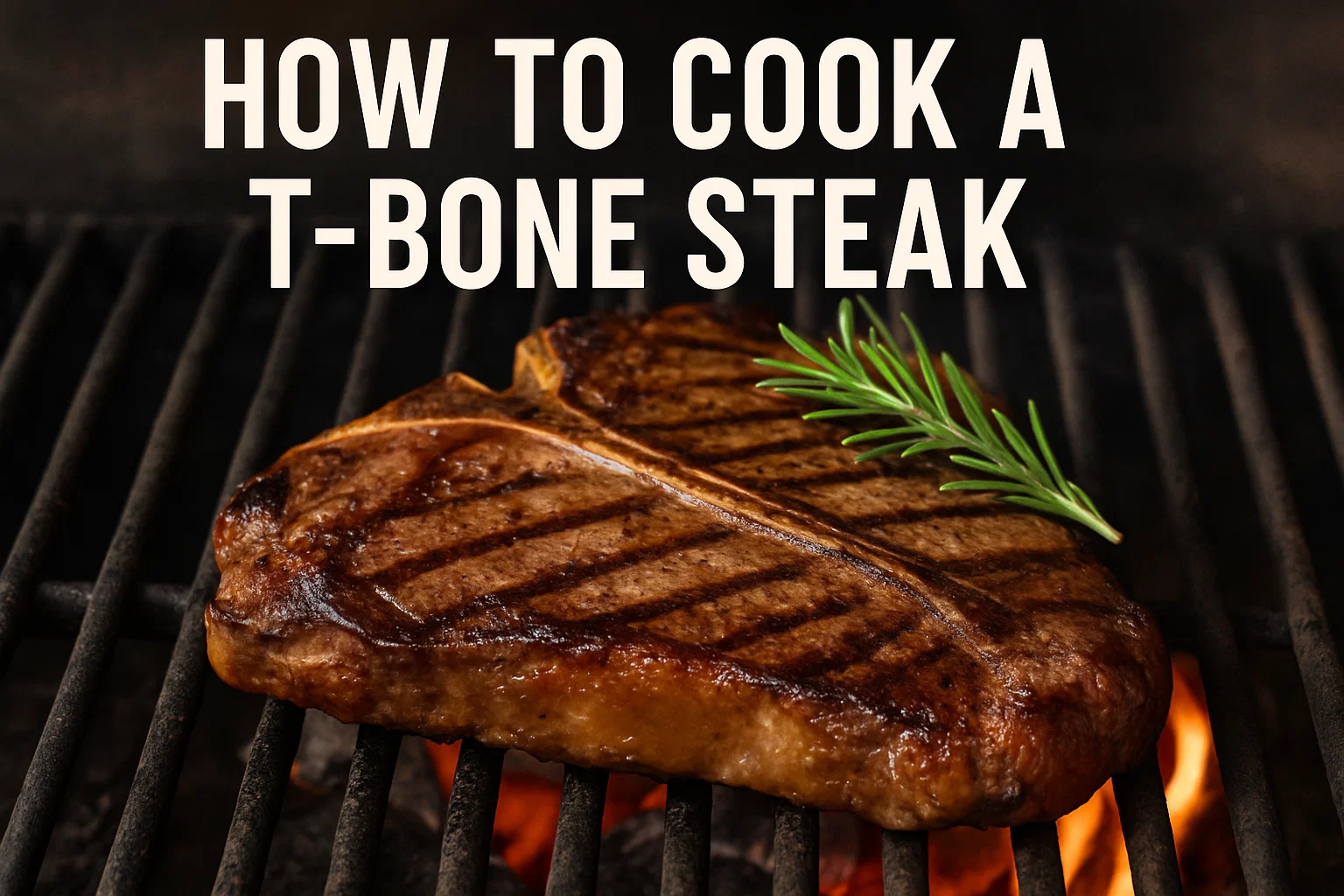
Standing over a hot grill taps into something ancient. Smoke clings to your clothes, stinging your eyes just enough to let you know it’s working. You’ve got a cold beer in one hand, tongs in the other, and the weight of dinner resting squarely on your shoulders. But the real pressure comes from the meat itself. Specifically, the T-bone. It’s a beast of a cut. Two distinct textures, two different fat contents, all divided by a stubborn piece of bone. Mess this up, and you’re serving expensive leather. Nail it, and you become a legend in your own backyard.
I still cringe thinking about my first attempt at a thick-cut T-bone. I was twenty-two, trying to impress a date, and I bought the biggest slab of beef the butcher had. I threw it straight onto a roaring fire, convinced that high heat was the secret to everything. The result? A charred meteorite on the outside and a cold, raw center. We ate pizza that night. That disaster taught me a harsh lesson: respect the meat. I’ve singed my eyebrows and ruined plenty of dinners since then, all to answer the one question every backyard cook eventually asks: what is the best way to cook a t-bone steak?
It’s not just about fire. It’s about strategy.
More in Beef & Red Meat Category
What is The Best Way to Cook a Chuck Roast
What is The Best Way to Cook a Ribeye
Key Takeaways
- Understand the Anatomy: You are cooking two steaks at once—the fatty Strip and the lean Tenderloin—and they cook at different speeds.
- Zone Cooking is Mandatory: Create a two-zone fire (hot and cool sides) to manage those textures without incinerating the crust.
- Embrace the Reverse Sear: For steaks thicker than 1.5 inches, gently bringing the internal temp up before searing yields the best results.
- Patience Pays Off: Cutting into the meat too early drains the flavor; let it rest for at least 10 minutes.
- Trust the Tools: Ditch the “finger test” mythology and use an instant-read thermometer for precision.
Why Does the T-Bone Demand So Much Respect?
Ever wonder why this cut hits the wallet so hard? You aren’t just paying for weight; you’re buying the best of both worlds. On one side of that iconic lumbar vertebra sits the New York Strip. It’s bold, unapologetically beefy, and carries a solid fat cap. On the other side is the tenderloin, or filet mignon. This muscle barely lifts a finger during the cow’s life, making it incredibly soft and lean.
Here’s the kicker, though. That lean tenderloin cooks way faster than the fatty strip. Treat the whole steak the same, and one side dries out before the other even starts to render. I used to ignore this. I treated T-bones like ribeyes, blasting them with heat and hoping for the best. My guests were too polite to complain, but I knew the filet side tasted like a dry sponge. Mastering this cut means accepting this physiological difference. You have to protect the little guy (the filet) while coaxing the big guy (the strip) into giving up its fat.
Does Finding the Right Steak Solve the Problem?
Technique can’t save bad meat. I learned this the hard way after trying to rescue some “bargain” steaks I found in a discount bin. They were gray, thin, and depressing. No amount of salt could fix them. So, where do you go? Find a butcher. If that’s not an option, hit the meat counter at a high-end grocer where you can actually look a human in the eye.
Hunt for marbling. You want those thin white flecks of intramuscular fat scattered through the red meat. That fat renders down, basting the steak from the inside out. If the meat looks lean and solid red, walk away. It’ll taste like cardboard.
Thickness matters even more. Never buy a T-bone thinner than an inch and a half. Thin steaks cook too fast. By the time you build a decent crust, the inside is gray and overcooked. You need a thick slab to insulate the center. I usually ask the butcher to cut it fresh. “Two inches,” I tell them. They might look at you like you’re crazy, but you aren’t. You’re just hungry for quality.
Is Salt and Pepper Really All You Need?
We live in a golden age of complicated rubs. Coffee, chili powder, brown sugar, garlic powder—I’ve tried them all. And honestly? They mostly just burn. Sugar burns at 350°F. If you want a hard sear, your grill needs to get way hotter than that. Burnt sugar tastes bitter. It ruins the meat.
My grandfather was a man of few words and even fewer spices. He swore by kosher salt and cracked black pepper. For years, I thought he was just being boring. I wanted “complex flavor profiles.” But after ruining a beautiful Prime grade steak with a paprika-heavy rub that turned black in seconds, I crawled back to basics.
Salt does more than flavor the meat; it changes it. Ideally, salt your steak at least 45 minutes before cooking. I prefer doing it the night before. We call this dry brining. The salt pulls water to the surface, dissolves into a brine, and then gets reabsorbed. This breaks down muscle proteins and seasons the steak all the way through. When you finally throw it on the grill, the surface is dry, which guarantees a killer crust.
Also read: What is The Best Way to Cook Beef Brisket
Gas vs. Charcoal: Which Fuel Actually Wins?
This debate breaks up friendships. I’ve owned both. I keep a propane grill for quick Tuesday nights and a charcoal kettle for the weekends. If you want convenience, gas wins. You turn a knob, you have heat. But we aren’t talking about easy. We’re talking about flavor.
Charcoal gives you that distinct, smoky profile that gas simply can’t mimic. It gets hotter, too. A chimney full of lump charcoal can hit temperatures that make a gas grill tremble. When fat drips onto hot coals, it vaporizes, sending flavor-packed smoke back up into the meat. That is the soul of grilling.
If you have to use gas, don’t apologize for it. Just use wood chips. Wrap some hickory or oak chips in a foil packet, poke some holes in it, and toss it directly on the burners. It helps bridge the gap. But if you have the time, light the charcoal. The ritual of tending the fire, waiting for the ash, and arranging the coals is part of the experience. It forces you to slow down.
How Do You Set Up the Perfect Two-Zone Fire?
Throwing a thick T-bone directly over high heat is a rookie move. I know because I did it for years. The outside burns before the inside gets anywhere near edible. The fix is simple: the two-zone setup.
Push all your hot coals to one side of the grill. Leave the other side empty. If you’re on gas, blast the burners on the left and leave the right side off. This creates a hot zone for searing and a cool zone for gentle roasting.
You need this control. Remember the tenderloin? It cooks faster. When you have the steak over the heat, you can angle it so the strip side is closer to the fire, while the tenderloin faces the cooler side. It’s a small adjustment, but it saves the filet from turning into shoe leather. I treat the grill like a cockpit. I’m constantly moving things, rotating the grate, and watching the heat. You can’t just walk away to grab a beer. Well, you can, but you’d better be quick.
Why is the Reverse Sear a Game Changer?
If you asked me five years ago how to cook a steak, I would have said, “Sear it hard, then finish it in the oven.” That’s the restaurant method. It works. But the reverse sear works better for the backyard cook, especially with a thick T-bone.
Here’s the play: start on the cool side. Place the seasoned steak on the indirect heat side of the grill and close the lid. You want the internal temperature to rise slowly. It acts like a smokehouse. The meat cooks evenly from edge to edge. You don’t get that nasty gray band of overcooked meat just below the crust.
I aim for an internal temperature of about 115°F for medium-rare. This might take 30 or 40 minutes. It feels wrong. The steak looks gray and unappetizing. You’ll doubt yourself. Stick to the plan. Once it hits that temp, move it to the hot side. Since the exterior is dry from the slow roast, it sears instantly. You only need a minute per side to get a dark, mahogany crust. This method changed my life. It took the anxiety out of grilling expensive cuts.
How Do You Know When It Is Actually Done?
My dad tried to teach me the “finger test.” You touch your thumb to your finger and poke your palm. “That’s rare,” he’d say. “That’s medium.” It’s nonsense. Everyone’s hands are different. My hands are calloused from years of yard work; his method would have me eating raw meat.
Buy a digital instant-read thermometer. It’s the only tool that doesn’t lie. You spent good money on that steak. Don’t guess.
- Rare: 120-125°F
- Medium-Rare: 130-135°F
- Medium: 140-145°F
Remember carryover cooking. When you pull the steak off the grill, the residual heat keeps cooking it. It can rise another 5 to 7 degrees. If you want medium-rare (135°F), pull it at 128°F. I once pulled a steak right at 135°F, and by the time we sat down, it was medium-well. I was devastated. Anticipate the rise.
For more on safe internal temperatures, check out the USDA Food Safety and Inspection Service.
Why Is Resting the Hardest Part?
The smell of grilled beef is intoxicating. You just pulled this masterpiece off the grates. You want to slice into it immediately. Don’t do it.
When meat cooks, muscle fibers contract. They squeeze moisture toward the center of the steak. If you cut it right away, that juice runs out onto your cutting board. That is flavor leaving your steak. It’s tragic.
Let it rest. Place it on a warm plate or board. Tent it loosely with foil—do not wrap it tight or you’ll steam the crust soft. Wait ten minutes. Fifteen is better. During this time, the fibers relax. The juices redistribute. When you finally slice it, the plate stays dry, and the meat stays juicy. I usually use this time to pour wine or argue with my brother about sports. It keeps me distracted from the hunger.
How Do You Slice and Serve a T-Bone?
You can just slap the whole steak on a plate. It looks impressive. It’s caveman style. But I prefer carving it for guests. It makes eating easier and ensures everyone gets a taste of both the strip and the filet.
Run your knife along the bone to remove the two main muscles. Slice them against the grain into thick strips. Then, reconstruct the steak. Place the bone back in the center and arrange the sliced meat back in its original position. It looks stunning on a platter.
Top it simply. A pat of compound butter with garlic and herbs melting over the hot crust is divine. Or maybe just a drizzle of good olive oil and a final sprinkle of flaky sea salt. You don’t need steak sauce. If you cooked it right, the meat speaks for itself.
What Sides Stand Up to the King of Steaks?
A T-bone is rich. It’s fatty. You need sides that cut through that richness or complement it. I love grilled asparagus with lemon. The char on the vegetable matches the steak, and the acidity cleanses the palate.
Potatoes are mandatory in my house. A baked potato is classic, but try smashed potatoes. Boil baby potatoes, smash them flat, brush them with oil, and crisp them up on the grill while the steak rests. They get crispy edges that are addictive.
Avoid overly heavy sides. Mac and cheese is delicious, but paired with a 24-ounce steak, it’s a nap waiting to happen. Keep it relatively light. A sharp arugula salad with a vinaigrette works wonders. The peppery greens stand up to the beefy flavor of the strip side perfectly.
Is the T-Bone Worth the Trouble?
Absolutely. It forces you to be a better cook. You have to manage fire, timing, and two different muscle types. It isn’t a “set it and forget it” meal. It requires your presence.
I love the process. I love the initial sizzle when the meat hits the metal. I love the challenge of keeping the tenderloin rare while rendering the fat on the strip. And I love the silence that falls over the table when everyone takes that first bite.
So, go find a butcher. Buy the thickest T-bone they have. Light a fire. Make mistakes. Maybe you’ll overcook the first one. That’s fine. You’ll get better. The pursuit of the perfect steak is a lifelong journey, and it’s a delicious one to be on.
There is no single magic trick. The answer to what is the best way to cook a t-bone steak is patience, heat control, and a good thermometer. Now, go fire up the grill. The coals are waiting.
FAQs – What is the best way to cook a t-bone steak
What is the most effective way to cook a T-bone steak?
The best method involves patience, heat control, and the use of a good thermometer. Techniques like the reverse sear and two-zone fire setup are highly recommended for optimal results.
How should I prepare and season my T-bone steak?
Keep seasoning simple with kosher salt and cracked black pepper, ideally dry brining the steak at least 45 minutes before cooking. This enhances flavor and creates a perfect crust.
What type of grill and fuel is best for cooking a T-bone steak?
Charcoal grills provide a smoky flavor and higher heat, but gas grills are convenient for quick cooking. To add smoke flavor to gas grills, use soaked wood chips in foil packets.
How can I ensure my T-bone steak is cooked to the desired doneness?
Use a digital instant-read thermometer to check internal temperatures: 120-125°F for rare, 130-135°F for medium-rare, and 140-145°F for medium. Remember carryover cooking can raise the temperature another 5-7°F.
Why is it important to rest a T-bone steak before cutting into it?
Resting allows muscle fibers to relax and juices to redistribute, ensuring the steak remains juicy and flavorful when sliced. It is recommended to rest for at least 10-15 minutes.