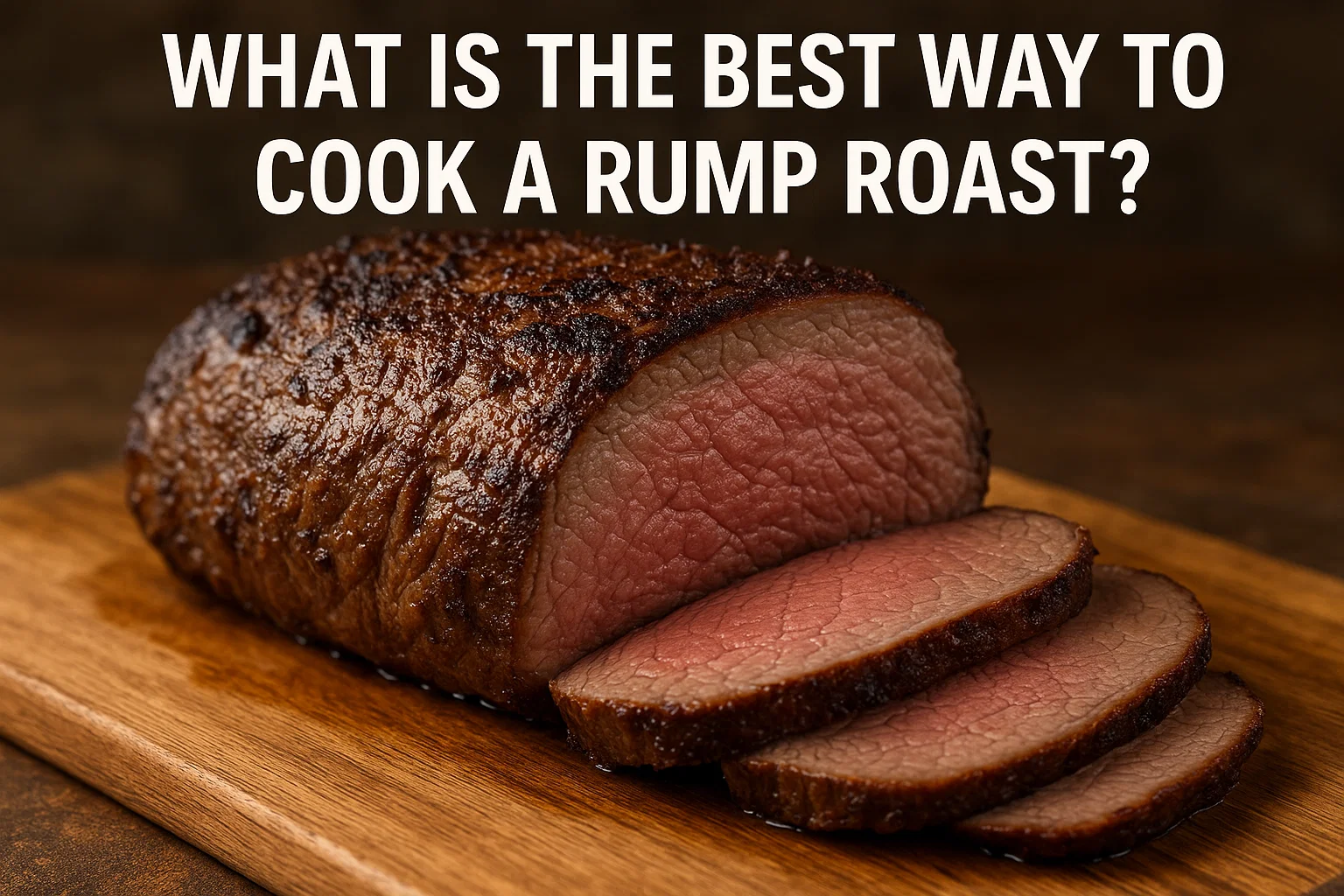
I still cringe when I think about that night in 2008. It was the first time I tried to cook for a date in my own apartment. I wanted to be impressive, but I was working on a shoestring budget. I bought a rump roast because it looked big, red, and serious. It looked like “real” food. I didn’t own a slow cooker then. I just had a cheap baking sheet and an oven that ran too hot. I blasted that poor piece of meat at 400 degrees for an hour, thinking it was like a giant steak.
The result wasn’t just bad; it was aggressive. We sat there, sawing at the gray, tough slabs of beef, the silence only broken by the screech of serrated knives against cheap ceramic plates. My date was polite. She drank a lot of water to wash it down. But that roast had the texture of a boot sole left out in the Arizona sun. It was dry, stringy, and humiliating.
That failure stuck with me. It bothered me. I’m the kind of guy who hates letting a tool or an ingredient beat me. So, I spent the next decade figuring out exactly where I went wrong. I talked to butchers who looked at me like I was an idiot for roasting a round cut. I read old cookbooks that smelled like mildew. I experimented until my kitchen smelled like beef stock permanently.
What I found changed everything. The rump roast isn’t a bad cut of meat; it’s just misunderstood. It’s a stubborn muscle that demands respect. So, what is the best way to cook a rump roast? It’s not about fire or fancy searing techniques, though those help. It is about submission. You have to submit to the clock. The slow cooker is the only weapon that truly wins this war.
More in Beef & Red Meat Category
What is the best way to cook meatballs
What is The Best Way to Cook a Tri Tip
Key Takeaways
- Patience Wins: You cannot rush this cut. Low heat for a long time is the only way to dissolve the tough fibers.
- The Sear is Vital: A gray, boiled roast is sad. Browning the meat first adds the savory punch that makes people want seconds.
- Minimal Liquid: Don’t drown the meat. It releases its own juice, and too much water dilutes the rich, beefy flavor.
- Rest the Beast: If you cut it hot, you lose the juice. Letting it sit allows the moisture to redistribute.
- The Slice: Always cut perpendicular to the muscle fibers. This mechanical trick makes even a slightly chewy roast feel tender.
Why does the rump roast get such a bad rap compared to other cuts?
Go to any steakhouse. You see the Ribeye, the New York Strip, the Filet. They are the rockstars. They are flashy, expensive, and easy to love because they are lazy muscles. They just sit there on the cow, collecting fat and staying soft.
The rump roast? That’s the blue-collar worker of the cow. It comes from the round—the back leg. Cows weigh a lot. Every time they stand up, walk to the trough, or run from a spooked dog, they use their rump. That muscle is working constantly.
Because it works so hard, it develops thick, tight muscle fibers and heavy connective tissue. It doesn’t have that beautiful white marbling you see in a ribeye. It’s lean, red, and tough as nails. When you hit it with high dry heat—like I did on that disastrous date—those tight fibers clench up. They squeeze out every drop of moisture instantly. You end up with a brick.
But here is the thing people miss. That connective tissue is actually a secret weapon. It’s packed with collagen. If you cook a tenderloin too long, it dries out and dies. But a rump roast? If you cook it long enough at a low temperature, that tough collagen melts. It turns into gelatin. That gelatin is sticky, rich, and coats your tongue. It provides a succulence that a lean steak can never match. You just have to have the patience to wait for the magic trick to happen.
Is the slow cooker really the only way to go?
I have tried them all. I’ve done the oven-roasting method at 225 degrees. I’ve used the Dutch oven on the stove. I’ve even tried smoking one for twelve hours. They can work, sure. But they are high-maintenance relationships. You have to watch the liquid levels. You have to check the temperature. You have to worry.
The slow cooker is the equalizer. It creates a sealed, humid environment that locks in moisture. The temperature fluctuates gently, hovering right in that sweet spot where collagen breaks down but the meat doesn’t scorch.
I remember calling my grandfather about this once. He was a man who cooked everything in bacon grease and cast iron. When I told him I was using a “crockpot,” he scoffed. He thought it was cheating. Then I brought him some of my shredded beef sandwiches made from a rump roast that had bathed for 10 hours. He ate three of them in silence. He never made fun of my slow cooker again. The device manages the heat so you don’t have to. It turns a tough, cheap cut into luxury.
Do I really have to dirty a skillet to sear the meat first?
This is the step everyone wants to skip. I get it. You want to dump the ingredients in the pot, turn it on, and leave for work. And you can do that. It will be edible.
But we aren’t aiming for “edible.” We want “unforgettable.”
If you throw raw meat into a slow cooker, it essentially steams. It turns gray. It tastes like cafeteria food. To get that deep, restaurant-quality flavor, you need the Maillard reaction. That’s the scientific term for the crust that forms when meat hits hot metal.
I have a heavy cast-iron skillet that lives on my stovetop. I get it ripping hot. I mean, open-the-windows, turn-on-the-fan hot. I pat the roast dry with paper towels (wet meat doesn’t sear, it steams) and drop it in with a little oil.
The sound should be aggressive. Sizzle isn’t the right word. It should roar. I let it sit for three minutes on each side without touching it. The smoke alarm goes off about 50% of the time. My dog runs under the bed. But when I flip that roast and see that dark, mahogany crust? I know it’s worth it. That crust dissolves into the liquid during the long cook, creating a gravy that tastes like it simmered for three days. Don’t skip this. Wash the extra pan.
Which vegetables won’t turn to mush?
My early stews were filled with regrets. Specifically, potato regrets. I used to chop Russet potatoes into small dice and throw them in for ten hours. By dinnertime, they had vanished. They dissolved into a gritty, starchy sludge that ruined the sauce.
You have to think big. Literally.
I treat the vegetables as a rack for the meat. I take large yellow onions and quarter them. I leave the root intact so they don’t fall apart. I take carrots and cut them into huge chunks—three or four inches long. I lay these in the bottom of the slow cooker and place the seared beef right on top.
This does two things. First, it keeps the beef out of the direct liquid, so it roasts slightly rather than just boiling. Second, the veggies absorb the beef drippings.
If you want potatoes, use waxy ones. Red potatoes or Yukon Golds hold their shape. Leave the skins on. They act like a jacket, holding the potato together even after an 8-hour swim in hot liquid. If you use celery, keep the stalks long. Tiny pieces of celery turn into green slime. Big pieces become sweet, jammy vegetable candy.
How much liquid is too much?
This is the most common mistake I see. People treat the slow cooker like a boiling pot. They fill it to the brim with beef stock.
Please stop doing this.
The rump roast releases a lot of water as it cooks. The vegetables release water. If you start with a pot full of liquid, you end up with bland, watery soup. You want a concentrated flavor.
I add about one cup of liquid. Total. That is it.
What should that liquid be?
Water is a waste. It brings nothing to the party. Beef broth is the standard, but it can be boring.
I had a breakthrough a few years ago. I was out of beef stock, but I had a leftover bottle of dark stout beer in the fridge from a poker night. I poured that in. The alcohol cooked off, but the malty, roasted flavor of the beer married perfectly with the beef. It added a depth that salt and pepper couldn’t achieve.
If you don’t do beer, try coffee. I’m serious. Half a cup of strong black coffee adds a bitterness that cuts through the rich fat. It doesn’t taste like a latte; it tastes like earth and smoke. Red wine is the classic choice for a reason—the acidity helps tenderize the meat. Just don’t use the cooking wine from the grocery store aisle. That stuff is salty garbage. Use a wine you would actually drink.
What is the best way to cook a rump roast so it falls apart?
You have your seared meat, your giant veggies, and your cup of stout. Now comes the discipline.
Low setting. 8 to 10 hours.
I know the “High” setting is tempting. It says “4 to 6 hours.” It lies. Cooking a tough cut like rump roast on high is like trying to sprint a marathon. You get to the finish line, but you’re dead. The high heat tightens the muscle fibers too fast. They seize up. The collagen doesn’t have time to melt gently. You end up with a roast that is technically cooked but tough as shoe leather.
Set it to low. Walk away. Go to work. Sleep. Do not lift the lid.
I used to be a “lid lifter.” I wanted to smell it. I wanted to poke it. Every time you lift that lid, you lose about 20 minutes of cooking progress. You let all that precious steam escape. The slow cooker works by trapping heat. Breaking that seal is sabotage.
How do you know when it’s actually done?
Forget the internal temperature thermometer. It’s useless here. A roast can be 200 degrees and still be tough. It can be 200 degrees and be tender. Temperature tells you doneness, but texture tells you tenderness.
I use the “twist test.” I take a regular dinner fork and stick it into the thickest part of the meat. I try to twist the fork.
If the meat fights back? It’s not done. If the whole roast lifts up out of the pot? It’s not done. If the fork slides in and twists with zero resistance, like you are stabbing a stick of soft butter? It is time.
I remember one Sunday, my roast was tough at the 8-hour mark. I was hungry and frustrated. I almost pulled it out. Instead, I poured myself a drink and gave it another 90 minutes. When I came back, it was falling apart. That extra time is the difference between “chewing” and “melting.”
Why did my grandpa scream at me for cutting it early?
My grandfather was a gentle man, except when you messed with his meat. I was fifteen, starving, and the roast had just come out of the oven (he was an oven guy). I reached for a knife. He smacked my hand with a kitchen towel.
“It’s bleeding!” he yelled. “Let it stop bleeding!”
He was right. When meat cooks, the heat drives the juices to the center of the roast. It’s under pressure in there. If you slice it the second it comes out of the pot, that pressure releases. The juice sprays out onto your cutting board. You watch your dinner’s moisture drain away into the gutter of the board.
You have to let it rest.
Take the roast out of the slow cooker. Put it on a board. Tent it with a piece of foil. Do not wrap it tight—just a little tent to keep it warm. Then, wait. 20 minutes. Ideally 30.
During this time, the muscles relax. The juices migrate back out to the edges. When you finally cut it, the juice stays in the slice. It makes a massive difference in the mouthfeel.
Can you actually overcook it?
Yes. There is a point of no return.
I once forgot a roast. I left it on low for about 14 hours because I got stuck at work and then went out for drinks. When I got home, the meat hadn’t burned. But the texture was… wrong.
The muscle fibers had completely dissolved. It wasn’t tender; it was mush. It had the texture of liver pâté. It was mealy and dry, even though it was sitting in liquid. The structure was gone.
You want the meat to hold its shape when you slice it, but yield when you chew it. If it turns into paste, you went too long. 10 hours is usually the safe upper limit for a 4-pound roast on low.
How do you make gravy that isn’t lumpy paste?
The liquid left in the pot is gold. It’s dark, salty, and rich with beef fat. Throwing it away is a sin. But making gravy intimidates people.
Here is the trick I learned after making a lot of lumpy, floury messes.
Don’t add flour directly to the hot liquid. It clumps instantly. You have to make a “slurry.”
I strain the pot liquid into a saucepan and bring it to a boil. In a separate little jar (I use an old jam jar), I put two tablespoons of cornstarch and two tablespoons of cold water. I screw the lid on and shake it like a bartender making a martini.
Pour that white liquid into the boiling beef juice while whisking. It thickens instantly. No lumps. Just glossy, smooth gravy that coats the back of a spoon. It takes 3 minutes and makes the meal feel complete.
What about the leftovers? The sandwich game.
I will let you in on a secret: I like the leftovers better than the fresh roast.
There is something about cold roast beef. The fat solidifies just a little. The flavors of the rub and the onions seem to penetrate deeper overnight in the fridge.
My favorite Tuesday lunch is a “Dip” sandwich. I take a crusty French roll—it has to be crusty, or it gets soggy. I pile on the cold beef. I don’t microwave the beef; I let the hot jus warm it up. I heat up the leftover gravy until it’s boiling hot.
I put provolone on the beef, melt it under the broiler for 30 seconds, and then dunk the whole sandwich in that hot gravy. It’s messy. It runs down your arm. It is absolutely glorious.
How do you season for maximum impact?
A rump roast is thick. It’s three or four inches of solid meat. If you just sprinkle a little salt on the outside, the inside is going to be bland.
You have to be aggressive. I make a rub that looks like too much.
- Kosher Salt: Not table salt. You need the coarse grain.
- Black Pepper: Fresh cracked. The pre-ground stuff tastes like dust.
- Garlic Powder: I use powder for the rub because fresh garlic burns when you sear the meat.
- Smoked Paprika: This gives it a hint of that outdoor BBQ flavor, even though you are cooking indoors.
I rub this mix into the meat like I’m giving it a massage. I get it into every crevice. Then I sear it.
I used to poke holes in the meat and stuff garlic cloves inside. I saw a TV chef do it. Honestly? It didn’t work for me. The garlic cloves inside never cooked fully. I’d bite into a piece of soft beef and then hit a crunch of raw, hot garlic. It ruined the flow. Now I put the fresh garlic in the pot liquid and leave the meat intact.
Does the shape of the pot matter?
It actually does. I learned this the hard way when I bought a massive 8-quart slow cooker for a Super Bowl party and then tried to cook a small 3-pound roast in it the next week.
The roast looked lonely in there. Because there was so much empty space, the liquid evaporated too fast. The top of the meat dried out and got hard.
You want the cooker to fit the meat. A standard 3 to 4-pound roast loves a 6-quart oval cooker. It should fit snugly, with just enough room for the veggies around the sides. If your pot is too big, stuff it with extra onions or even crumpled foil (on the sides, not touching the liquid) to take up space. It creates a better convection oven effect.
Is there a shortcut?
Sometimes you forget to start dinner at 8 AM. It happens.
I bought an Instant Pot a few years ago. It uses pressure to force the issue. You can cook a rump roast in 60 to 90 minutes.
I use it when I have to. It’s a good tool. But if you ask me what is the best way to cook a rump roast, the pressure cooker is second place. The texture is different. The pressure shreds the meat violently. It comes out stringier. The slow cooker gently coaxes the meat apart. The fat renders differently. The slow cooker version feels silkier.
But hey, on a Wednesday when you get home at 5 PM? The pressure cooker beats takeout pizza.
Troubleshooting: Why is it still chewy?
It’s 6 PM. You followed the steps. You cut a piece. It’s tough. You feel that panic rising. You have guests coming in 20 minutes.
Relax. It’s not ruined. It’s just not done.
This is the hardest thing to explain to new cooks. Tough meat isn’t overcooked; it’s undercooked. The collagen hasn’t dissolved yet.
Put it back in. Crank the heat to high now—you are in the final stretch so you can push it a bit. Add a splash of broth if it looks dry. Give it 45 more minutes. It will get there.
Also, look at your knife.
The Grain Direction
I cannot stress this enough. Look closely at the meat. You will see lines running across it. Those are the muscle fibers. They are like bundles of rope.
If you cut with the rope, you are putting long strands of unchewable rubber in your mouth. Your teeth have to do the work of breaking that rope.
Turn the meat 90 degrees. Cut across the ropes. You are manually shortening the fibers. Even a roast that is slightly tough will taste tender if you slice it thin against the grain. It’s the butcher’s magic trick.
Final Thoughts
Cooking a rump roast is an act of faith. You do the work in the morning—the seasoning, the searing, the chopping—and then you have to trust the machine. You have to walk away and let time do its job.
I think that is why I love it now. In a world where everything is instant, where we tap a screen and food appears, there is something grounding about a meal that takes all day. The smell builds slowly. By 4 PM, the whole house smells like savory comfort. By 6 PM, you are starving just from the aroma.
So go buy the cheap cut. Don’t be scared of the gristle or the lack of marbling. Treat it right, give it time, and it will give you one of the best meals of your life. Just remember to let it rest, or my grandpa might haunt you.
For more information on beef cuts and safety standards, you can visit the USDA Food Safety and Inspection Service.
FAQs – What is the best way to cook a rump roast
Why should I sear the rump roast before slow cooking?
Searing the meat creates a deep, savory crust through the Maillard reaction, which enhances the flavor of the roast and contributes to a richer, restaurant-quality taste that cannot be achieved by simply dumping ingredients into the slow cooker.
How can I prevent the vegetables from turning to mush during cooking?
Use large, sturdy vegetables like whole onions, big carrots, and waxy potatoes such as red potatoes or Yukon Golds. These hold their shape longer and absorb the beef drippings without disintegrating into a muddy mess.
How much liquid do I need for slow cooking a rump roast?
You only need about one cup of liquid, such as beef broth, stout beer, coffee, or red wine. Too much liquid results in bland, watery meat, as the roast releases its own juices during cooking.
How do I know when the rump roast is perfectly cooked and tender?
Use the twist test with a fork; if the meat twists easily and the fork slides in and out with no resistance, the roast is done. Avoid relying solely on internal temperature, as texture is a better indicator of tenderness.